
At Isett, our Landscape Architecture Department blends creativity with environmental stewardship to deliver sustainable outdoor spaces. We specialize in green infrastructure design, integrating natural systems into urban and suburban environments to manage stormwater, reduce heat islands, and improve ecological health.
Our team’s expertise spans:
- Rain Gardens & Bioswales: Natural solutions for stormwater infiltration and water quality improvement.
- Green Roofs: Enhancing aesthetics while reducing runoff and energy costs.
- Vegetated Swales & Infiltration Basins: Parks, trails, and public spaces that foster engagement and resilience.
Every project begins with a deep understanding of site context and community needs. From concept to construction, we prioritize functionality, beauty, and sustainability, ensuring that each design contributes to a healthier environment and a stronger sense of place.
DeSales University
Upper Saucon Township, Lehigh County
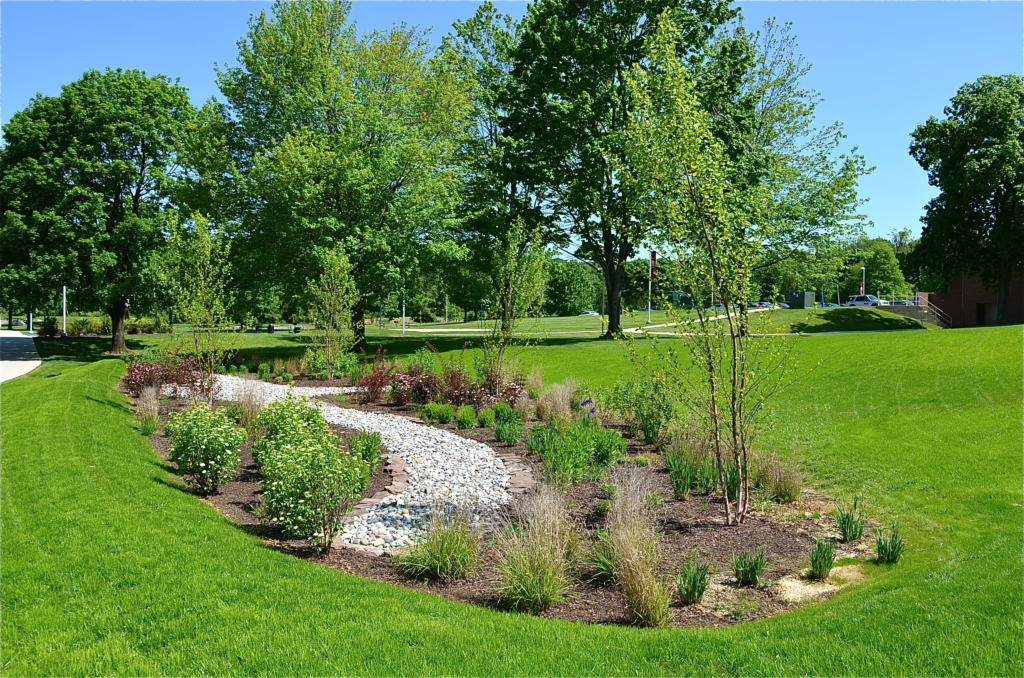
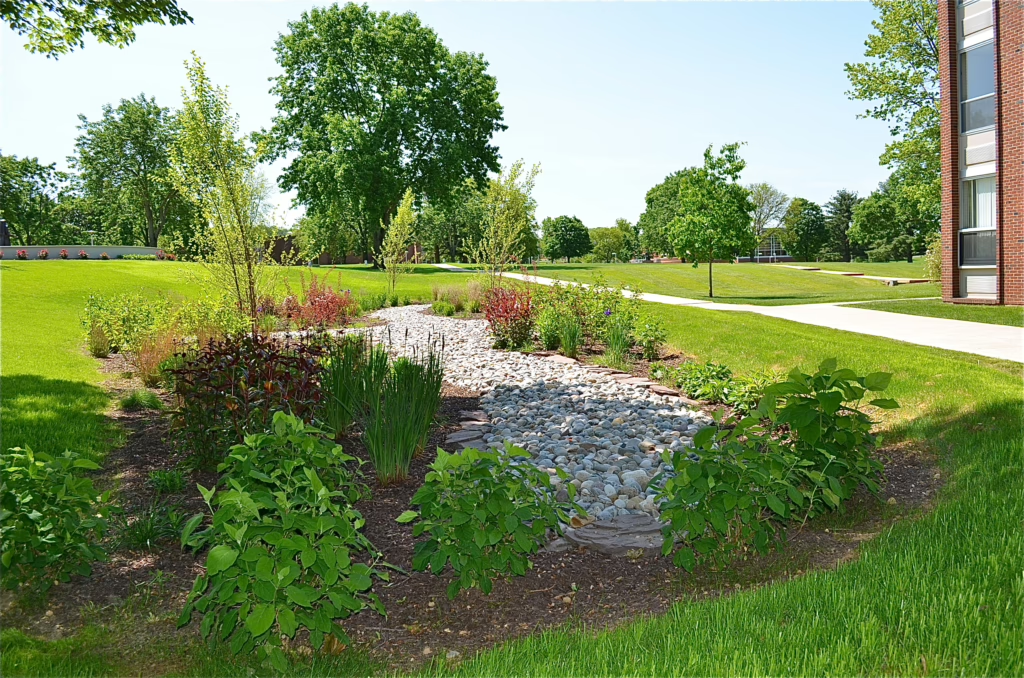
As part of a large campus development project, Isett developed a visually attractive rain garden on campus to offset the new impervious coverage. The garden is located adjacent to the main campus quad, adding visual appeal while managing stormwater naturally.
Project highlights:
- Rain garden
- Native plant materials
- Low maintenance
- Year-round seasonal interest
Da Vinci Center Science Green Roof
Allentown, Lehigh County
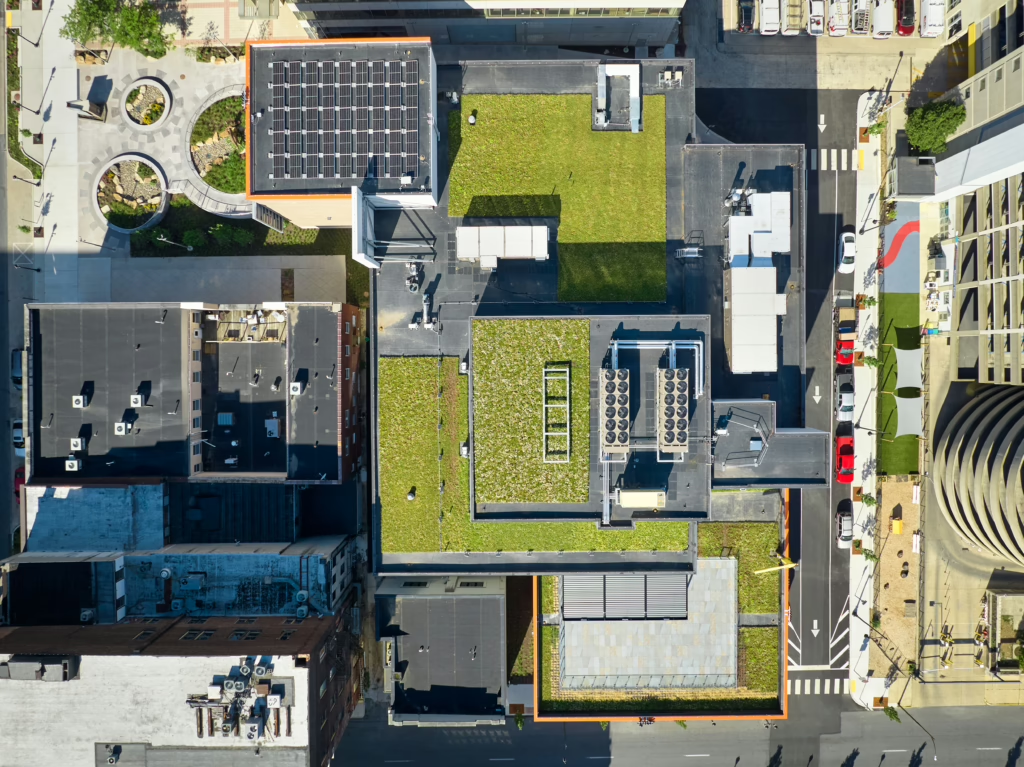
Set within the dense urban fabric of Allentown, Isett’s landscape architects collaborated with civil, structural, and architectural teams to design a green roof stormwater system that offsets increased runoff. Part of the roof is visible from the upper-level café overlooking the commercial district, while three native plant gardens in the entry plaza complement the green infrastructure and enhance the space.
Project highlights:
- Extensive green roof
- Diversity of plant material
- Stormwater runoff reduction
- Drought tolerant/non-irrigated plants
Souderton High School
Souderton, Montgomery County
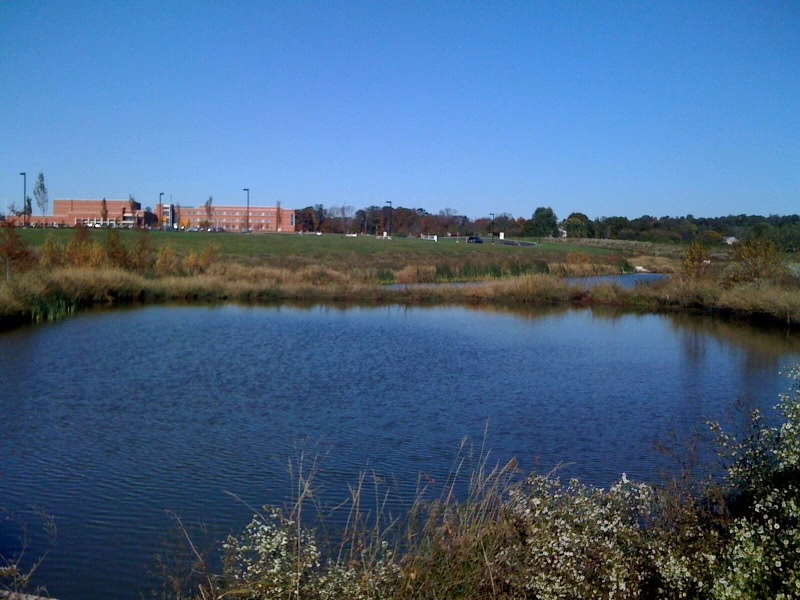
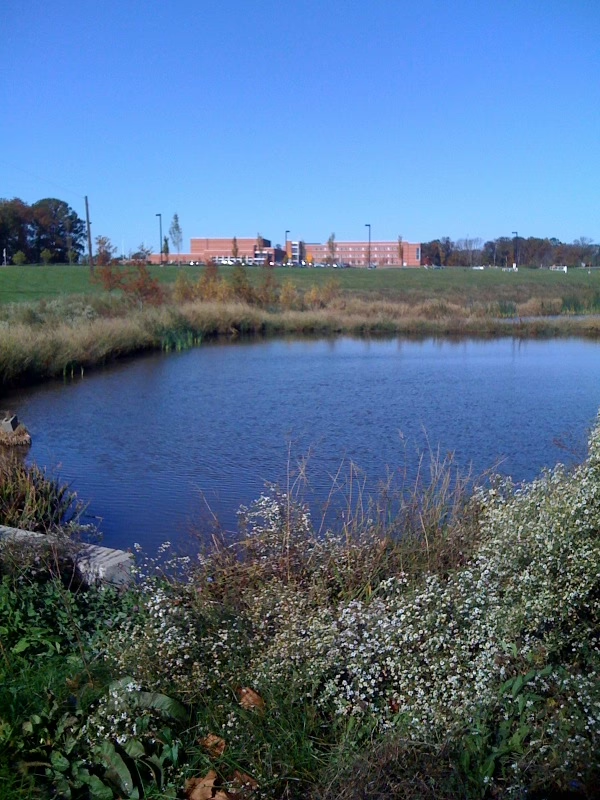
For a new high school campus, Isett designed stormwater basins to manage runoff from the building and parking areas. Surrounded by native meadow mix, the basins absorb rainwater, filter pollutants, deter geese, and create an attractive feature at the school’s main entrance.
Project highlights:
- Multi-level stormwater system
- Wet pond
- Native plantings
- Wet meadow edge
- Rain garden
- Low maintenance
- Year-round seasonal interest
Almac North America
Souderton, Montgomery County
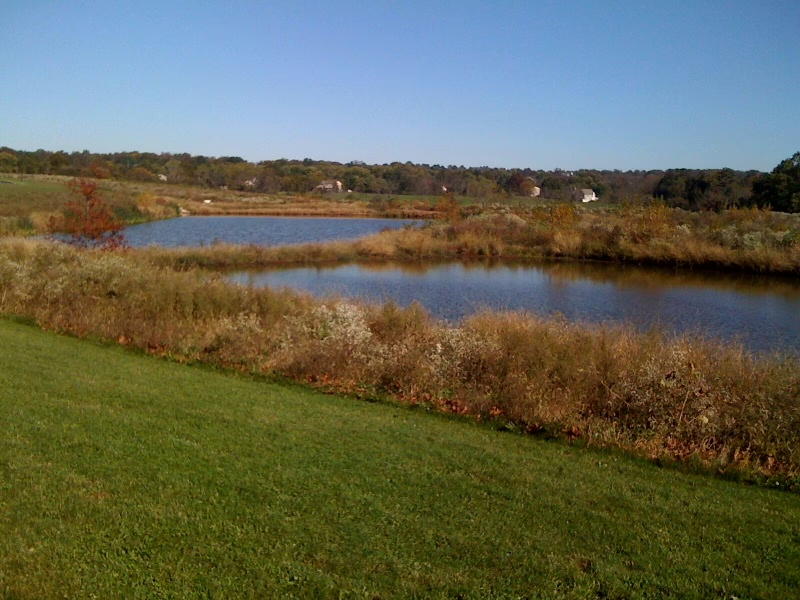
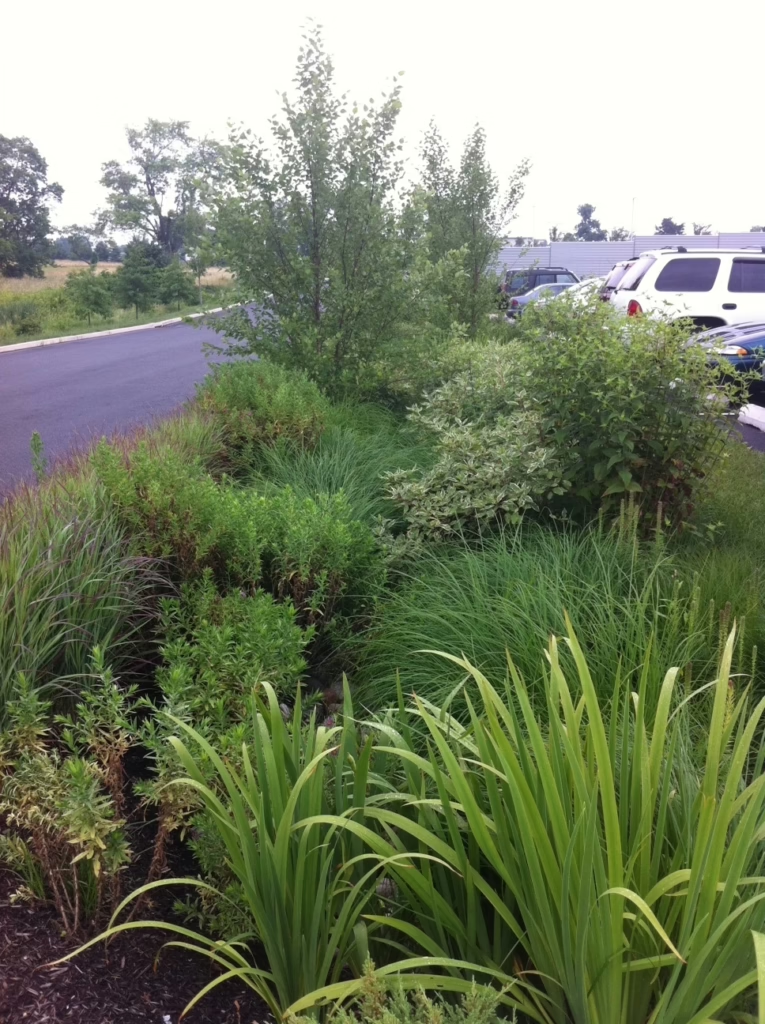
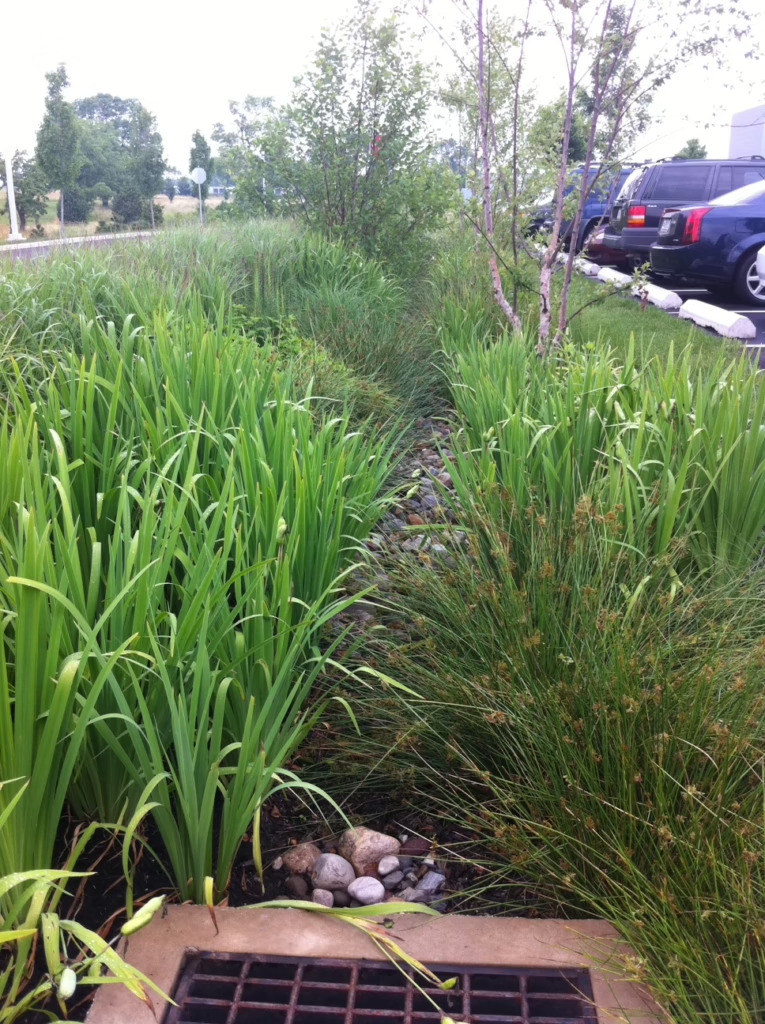
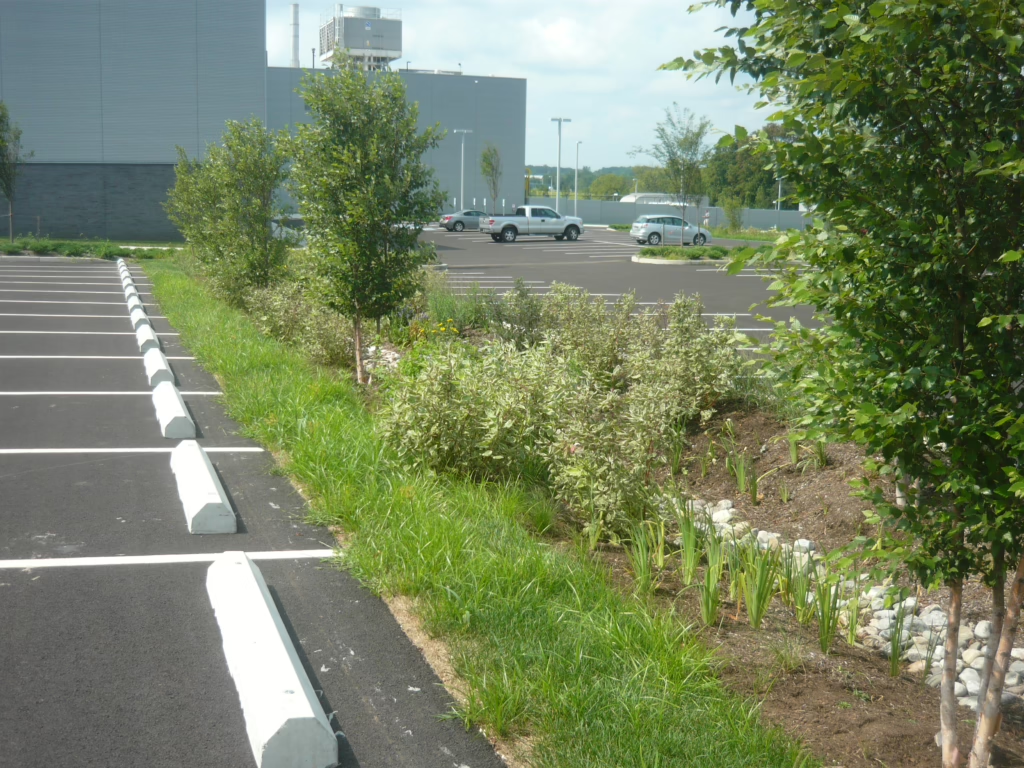
ALMAC’s new North American headquarters incorporates a green stormwater system to minimize development impacts. Features include infiltration channels between parking rows, vegetated swales, and a wet pond surrounded by native plants. These elements treat runoff and enable water reuse for non-potable building needs.
Project highlights:
- Linear rain gardens
- Vegetative swales
- Parking lot islands
- Multi-level green infrastructure system
- Stormwater re-use for non-potable needs

Dimmick Park
Hellertown, Northampton County
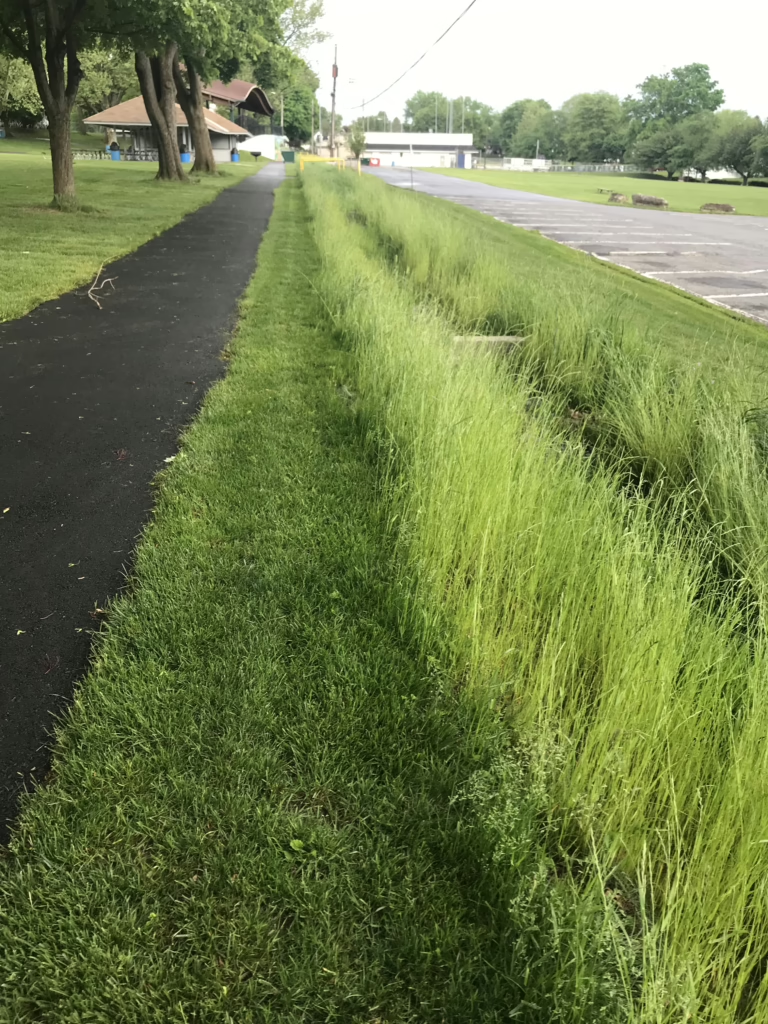
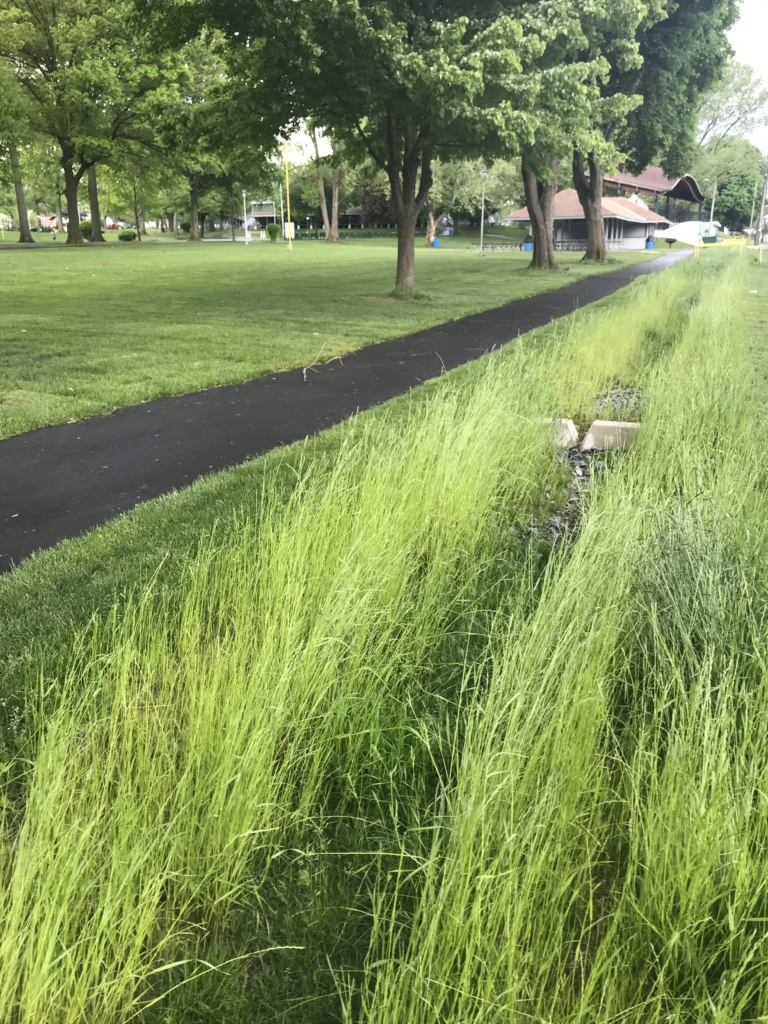
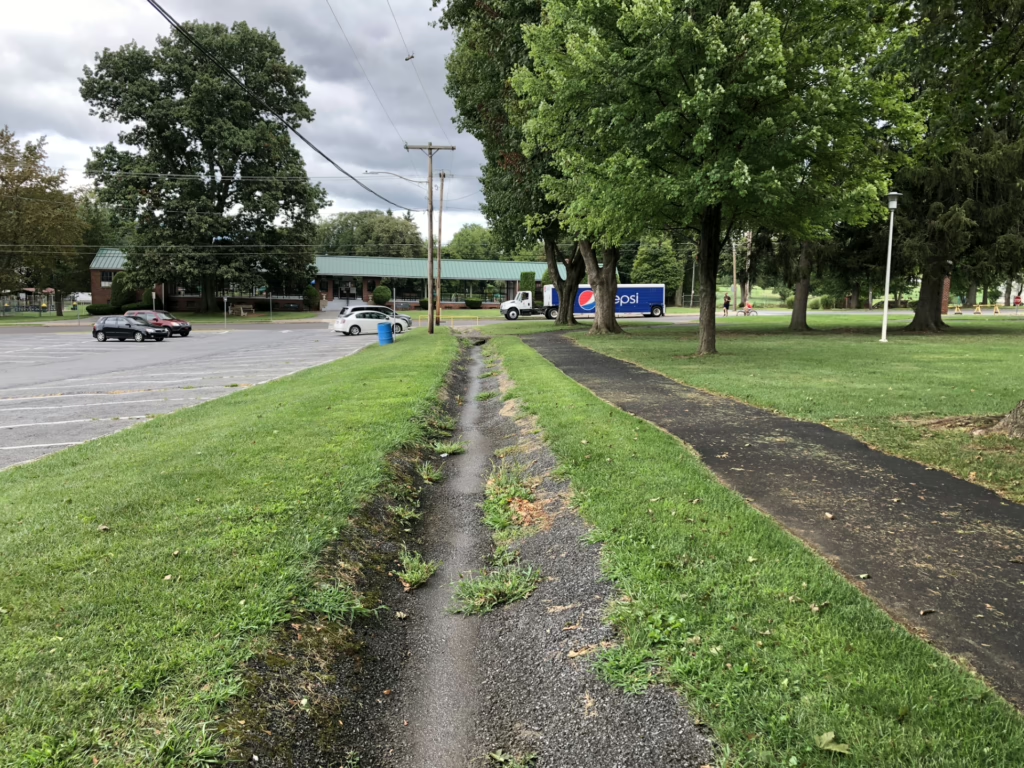
Dimmick Park, a central community space in Hellertown, offers diverse recreational opportunities. Originally, a concrete and stone-lined channel ran through the park, but years of freeze-thaw cycles caused deterioration. Thanks to grant funding, the channel was transformed into a vegetated swale with check dams that capture pollutants before water enters Silver Creek. Native grasses and plants stabilize the swale, enhance infiltration, filter pollutants, and add seasonal interest.
Project highlights:
- Channel conversion from paved to vegetative
- Stormwater filtration
- Infiltration
- Check dams
- Education/interpretive signage